Turn Right at Mottram Roundabout - Week 6
Tue 13th September 2016 | General | By Stewart Taylor
Firstly, the club we were looking for last week was Ashton Town.
The quick link referred to a link between this town, the man elected as MP for Wigan in 1621 and the Northern Ireland born entrepreneur Tim Martin. The link is Sir Thomas Gerard, one of the most famous sons of Ashton-in-Makerfield, who was MP all those years ago.
The entrepreneur Tim Martin runs the Wetherspoons chain of pubs and the one in Ashton-in-Makerfield, and one of my personal favourite ‘Spoons, is called the Sir Thomas Gerard.
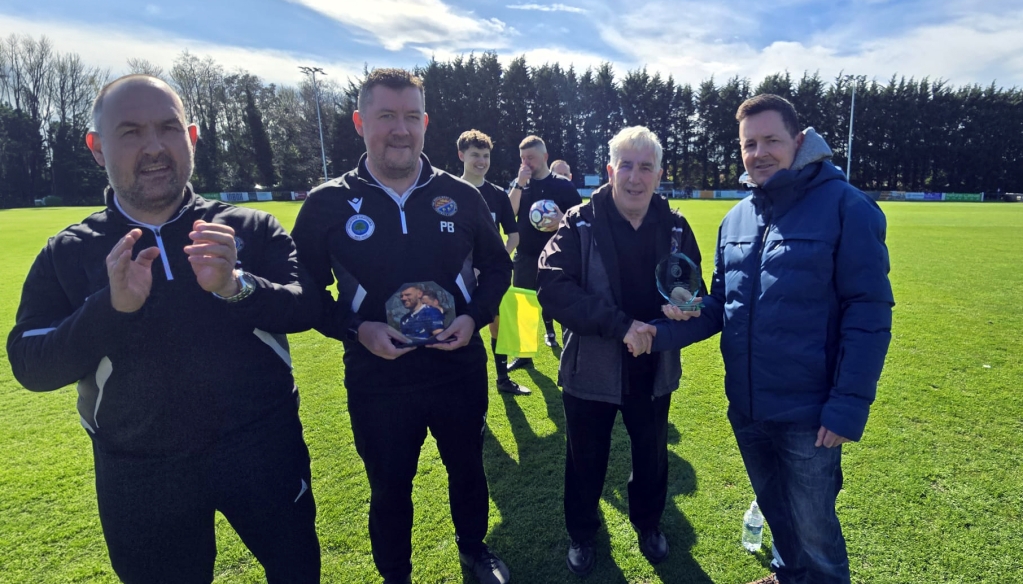
The photo shows the changing rooms at Edge Green Street and is a familiar sight to all who visit the ground. I wonder how many of our other clubs have a Manager’s Office?
On to this week and we go back to the format and style of the first four weeks of this series.
There is much debate amongst geographers as to the definition of a town or village. Conventionally, we would expect a town to be bigger than a village but this is not always the case as this village ably demonstrates.
Situated in the southern half of the League geographically, there is evidence of human activity around here since pre-historic times. (The use of the word “pre-historic” always interests me in that if it really was before history how would we know about it?). Anyway, evidence of domination of the area by Celts, Brigands and, later, Romans has been found here.
With the North West of England being the hotbed of the Industrial Revolution (a concept re-visited many years later by Harold Wilson – the White Heat of Technology) this area changed dramatically at that time moving from what was, essentially, a tranquil, rural backwater into a lively village situated on a main trading route into one of the major centres of the Victorian era.
One of the fine buildings in the village is now used as offices but has had a significant history. Built in 1847 on the original site of the Grove Print Works, this Grade II* structure has been extensively re-modelled over the years. Part of the grounds lie in the flood plain of the nearby River Mersey and are a rare example of wetland habitat in this part of the world.
The village is also home to a major private hospital which was possibly named after the youngest grand-daughter of King George V and Queen Mary.
The local Bruntwood Park is a centre for recreation in the village with all of the features expected of a public park but also, somewhat unusually, a 18 hole pitch and putt course. The Vinery Restaurant within the park is well established and well regarded locally. The restaurant, in the restored Victorian Conservatory, is run by a well known Italian family company better known for making ice-cream.
On to football. Whilst not originally known by the current name, this club has seen some interesting times both on and off the field. Success in the early years saw the club win four trophies in the 1979 - 80 season. The early years also saw something of a nomadic existence but the current ground has been occupied since the club joined the League in 1983.
The club’s traditional colours are white and black, as reflected in the club badge, but the side returned to the colours of the original club for the 2011-12 season.
Quick link - What is the link between this village and the American company Iconix Brand Group?
Turn Right at Mottram Roundabout - Week 6
Tue 13th September 2016 | General
By Stewart Taylor
Firstly, the club we were looking for last week was Ashton Town.
The quick link referred to a link between this town, the man elected as MP for Wigan in 1621 and the Northern Ireland born entrepreneur Tim Martin. The link is Sir Thomas Gerard, one of the most famous sons of Ashton-in-Makerfield, who was MP all those years ago.
The entrepreneur Tim Martin runs the Wetherspoons chain of pubs and the one in Ashton-in-Makerfield, and one of my personal favourite ‘Spoons, is called the Sir Thomas Gerard.
The photo shows the changing rooms at Edge Green Street and is a familiar sight to all who visit the ground. I wonder how many of our other clubs have a Manager’s Office?
On to this week and we go back to the format and style of the first four weeks of this series.
There is much debate amongst geographers as to the definition of a town or village. Conventionally, we would expect a town to be bigger than a village but this is not always the case as this village ably demonstrates.
Situated in the southern half of the League geographically, there is evidence of human activity around here since pre-historic times. (The use of the word “pre-historic” always interests me in that if it really was before history how would we know about it?). Anyway, evidence of domination of the area by Celts, Brigands and, later, Romans has been found here.
With the North West of England being the hotbed of the Industrial Revolution (a concept re-visited many years later by Harold Wilson – the White Heat of Technology) this area changed dramatically at that time moving from what was, essentially, a tranquil, rural backwater into a lively village situated on a main trading route into one of the major centres of the Victorian era.
One of the fine buildings in the village is now used as offices but has had a significant history. Built in 1847 on the original site of the Grove Print Works, this Grade II* structure has been extensively re-modelled over the years. Part of the grounds lie in the flood plain of the nearby River Mersey and are a rare example of wetland habitat in this part of the world.
The village is also home to a major private hospital which was possibly named after the youngest grand-daughter of King George V and Queen Mary.
The local Bruntwood Park is a centre for recreation in the village with all of the features expected of a public park but also, somewhat unusually, a 18 hole pitch and putt course. The Vinery Restaurant within the park is well established and well regarded locally. The restaurant, in the restored Victorian Conservatory, is run by a well known Italian family company better known for making ice-cream.
On to football. Whilst not originally known by the current name, this club has seen some interesting times both on and off the field. Success in the early years saw the club win four trophies in the 1979 - 80 season. The early years also saw something of a nomadic existence but the current ground has been occupied since the club joined the League in 1983.
The club’s traditional colours are white and black, as reflected in the club badge, but the side returned to the colours of the original club for the 2011-12 season.
Quick link - What is the link between this village and the American company Iconix Brand Group?